


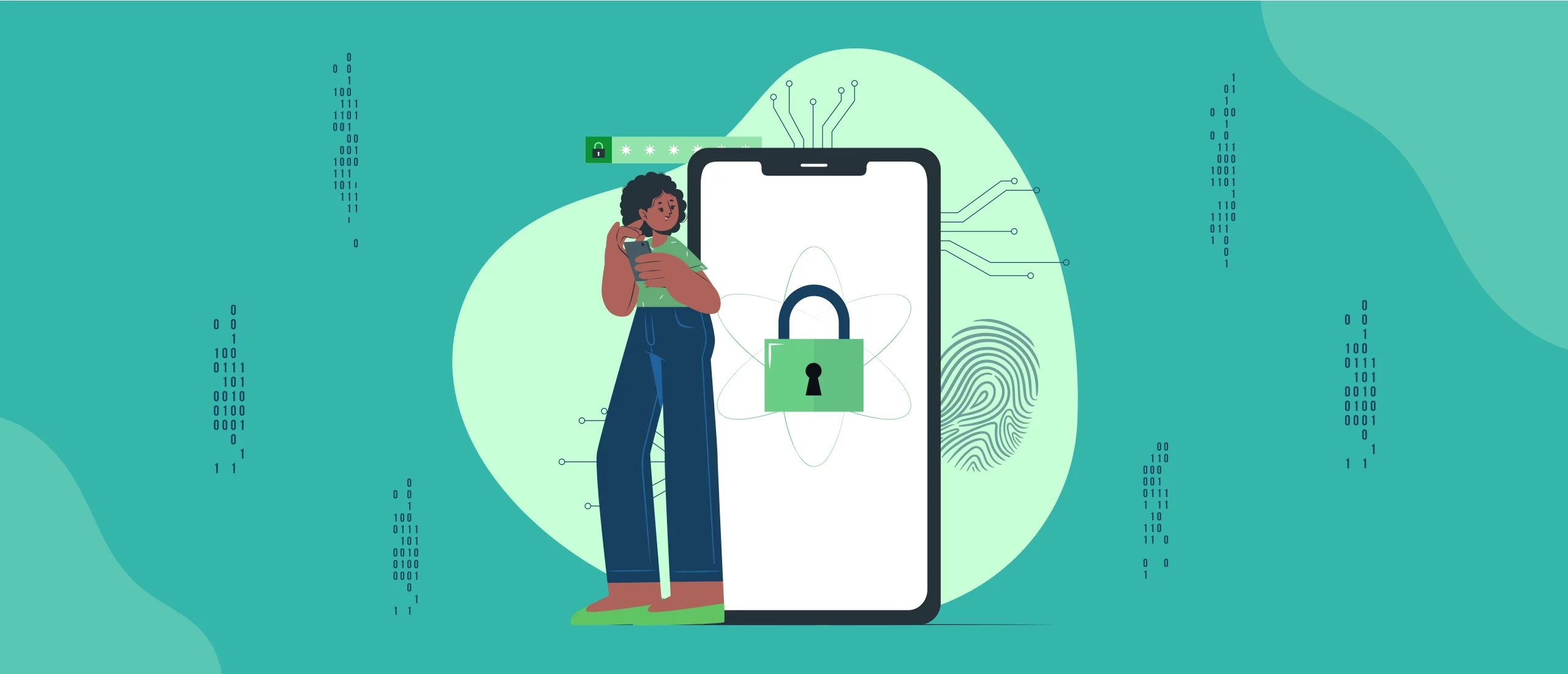
Traditionally, identity systems and procedures are conducted through physical documentation and face-to-face interactions. However, the subtle transformation of systems into a digital economy leads to various changes in the processes. The progress led to an increase in digital transactions and automation. But, it also has caused some negative impacts.
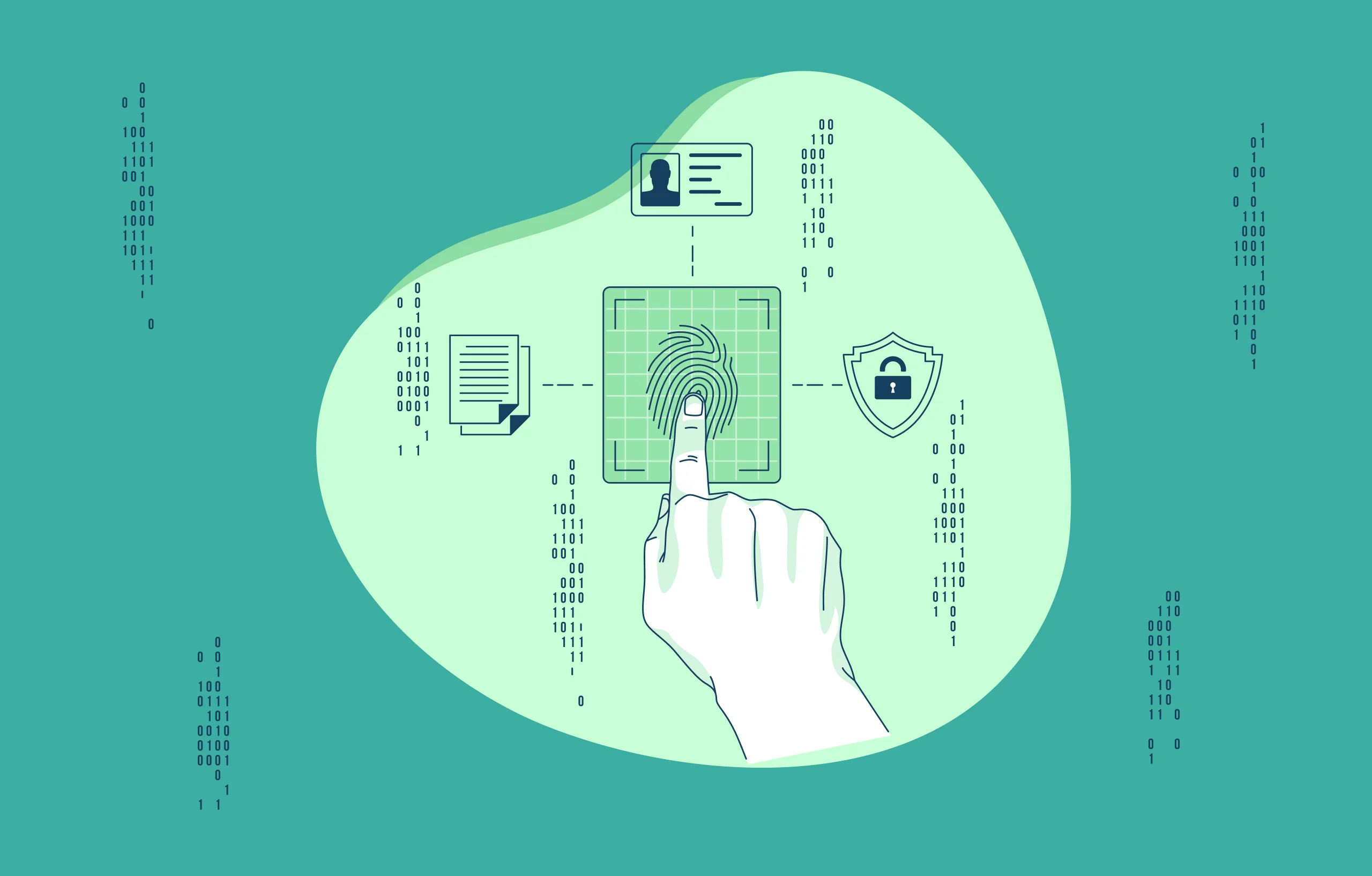
Are you aware of the enormous number of cyber crimes happening around us?
Cyber attacks are a common concern in today’s digital world, affecting not just individuals. It also has a severe impact on corporate sectors such as IT firms. To address these issues, IT companies secure valuable data through robust security and privacy measures. Digital identity management plays a crucial role in strengthening the security and privacy of an IT company. A huge part of the population lacks knowledge of the need for digital identity. In this blog we will learn the role and future of digital identity verification as a security measure in IT sector.What is Digital Identity? Is it Crucial in a Business?
The phenomenon of digital identity was invented by Fernando Corbato in 1960 with a password to secure access. As the name suggests, it is a series of information that identifies an individual, and organization online. The data contributing to developing a digital identity are date of birth, username, password, medical history, online transactions, etc. World Economic Forum published a report based on Blueprint for Digital Identity. The report states the framework for creating and managing digital identity systems and their contribution to the stakeholders, financial institutions, etc, Firms and business sectors rely on effective authentication processes for fair and efficient operations. So, maintaining a digital identity ensures protection for all entities.Digital Identity Management
Identity management is a set of policies that helps in controlling and monitoring the identity of the users on systems. The method ensures that only authorized people get access to confidential resources on time to carry out desired tasks and actions. Identity management helps in providing access to valued resources across various fields. Digital identity involves the identification and authentication of an individual to give a digital representation. Whereas, the method of handling and monitoring these digital identities through appropriate authentication and encryption is called digital identity management. To acquire access to data such as applications, and networks, you need to follow the steps of identification, authentication, and authorization. Now, you might wonder why is it crucial in IT companies. The main objective of digital identity management is to safeguard the company by authorizing and monitoring the data or transactions to prevent phishing attacks or loss. Identity management helps control cloud assets, applications, data, and other insights. It might be done with the help of user and application identity based on IT administrative policies of the sectors.3 Benefits of Digital Identity Services in Businesses