



In recent years, innovative technologies are transforming traditional operations processes into a new iteration, which is known as “Digital Transformation”. Although you might not be a cloud-native business like Amazon, Tesla, or Uber, certain parts of your processes have already shifted from physical to digital, product to service, or transaction to subscription. Gartner predicts that businesses’ technology spending for digital transformation initiatives will take up to $4.6 trillion globally by 2023, an increase of 5.1% from 2022.
So, what is the Digital Transformation? How can you leverage Digital Transformation in Your Business? Let’s figure it out in this blog!
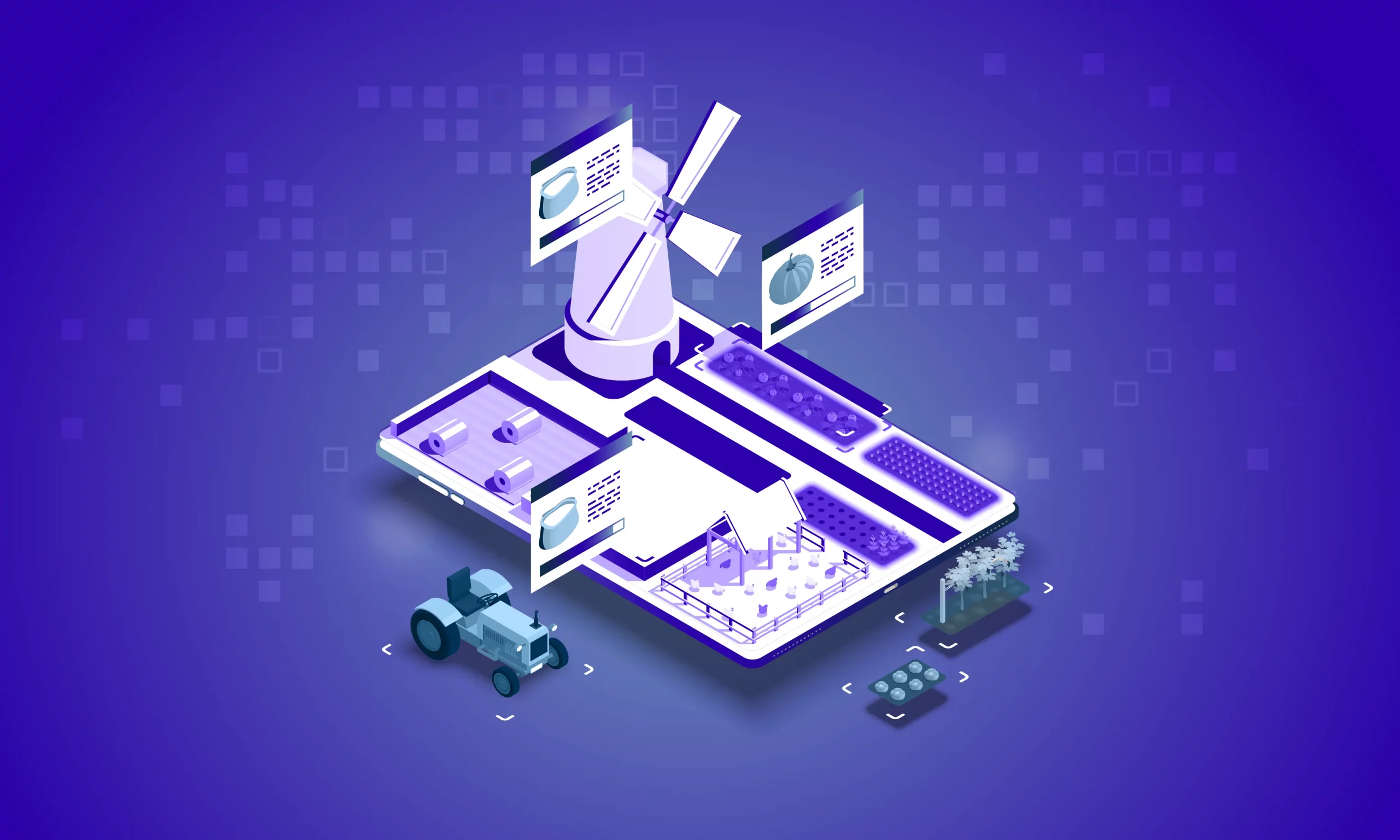 Take a look at John Deere, a 180-year-old farm equipment manufacturer that saw and seized its opportunity in 2012. They created MyJohnDeere, an open platform in order to bring more added value to clients and suppliers. Through various software and sensors that are used to analyze soil conditions and fuel costs, the application aggregates production data, equipment information, and farm operations to provide farmers with real-time insights and connected user experience. Shifting business models to embrace the potential of digitalization can open up new opportunities to gain profit and enable your business to optimize the customer experience.
Another notable example is The Washington Post, which underwent a digital transformation strategy after being acquired by Amazon founder Jeff Bezos in 2013. The Post was aware of what modern readers wanted —speed, personalization, contextuality—and they delivered. Given the popularity of websites at that time, the Post didn’t view this as a threat, but rather as a significant opportunity to adapt and innovate its business model.
Take a look at John Deere, a 180-year-old farm equipment manufacturer that saw and seized its opportunity in 2012. They created MyJohnDeere, an open platform in order to bring more added value to clients and suppliers. Through various software and sensors that are used to analyze soil conditions and fuel costs, the application aggregates production data, equipment information, and farm operations to provide farmers with real-time insights and connected user experience. Shifting business models to embrace the potential of digitalization can open up new opportunities to gain profit and enable your business to optimize the customer experience.
Another notable example is The Washington Post, which underwent a digital transformation strategy after being acquired by Amazon founder Jeff Bezos in 2013. The Post was aware of what modern readers wanted —speed, personalization, contextuality—and they delivered. Given the popularity of websites at that time, the Post didn’t view this as a threat, but rather as a significant opportunity to adapt and innovate its business model.

What is Digital Transformation?
Digital transformation refers to the transition from conventional business to new data-driven innovation through an analysis of people, processes, and products. This process is fundamentally about utilizing new technologies to enhance business operations. As an example, if you intend to integrate big data into your business, you should consider how you can use its insightful analytics and develop actionable approaches to improve your processes. A successful digital transformation would be an end-to-end process that redefines the way your company interacts with customers, operates internally, and delivers products and services.Digital Innovation Pioneers
Take a look at John Deere, a 180-year-old farm equipment manufacturer that saw and seized its opportunity in 2012. They created MyJohnDeere, an open platform in order to bring more added value to clients and suppliers. Through various software and sensors that are used to analyze soil conditions and fuel costs, the application aggregates production data, equipment information, and farm operations to provide farmers with real-time insights and connected user experience. Shifting business models to embrace the potential of digitalization can open up new opportunities to gain profit and enable your business to optimize the customer experience.
Another notable example is The Washington Post, which underwent a digital transformation strategy after being acquired by Amazon founder Jeff Bezos in 2013. The Post was aware of what modern readers wanted —speed, personalization, contextuality—and they delivered. Given the popularity of websites at that time, the Post didn’t view this as a threat, but rather as a significant opportunity to adapt and innovate its business model.
How to Leverage Digital Transformation in Your Business?
We live in a world where powerful business tools are merely a click away. Embracing Digital transformation (DX) in your organization is necessary to evolve and adapt to the changing landscape of your customers. The transformation process requires a systematic approach to identify the point where your business intersects with customers. This connection, as a result, is the foundation of your business success. So, how to start your Digital Transformation Journey? The 5-step process below will clarify your question!
Step 1: Build Your Scorecard
As a beginning phase, you need to build or refine your scorecard. Answering the following questions might help:- What do you measure for your team or your business?
- What does digital transformation mean for your business?
Step 2: Listen to Your Customers
This may seem obvious as customer experience is the key reason why your company should harness digital transformation. Today’s customers find and receive information differently and set high expectations in each service experience. Given that, it’s necessary to listen to your customers and take proper action to remain competitive in the industry. Accenture indicated that 75% of customers tend to buy products from a company:- Recognizing their name
- Knowing their purchase history
- Recommending products based on their past purchases.
Step 3: Assess Your People
Given the corporate strategy and customer experience journey are well-defined, the next stage is to evaluate your people:- How efficiently are they using applications?
- What is their current process for executing your business?
- How do they engage with technology?